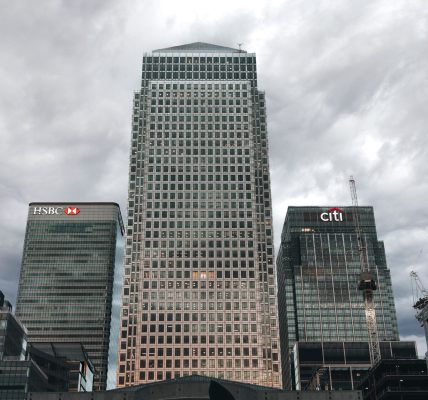

Lending rates increase due to recent changes by Punjab National Bank and Indian Bank. This shift raises concerns for customers regarding their borrowing costs and financial planning.
Understanding the Lending Rates Increase
The recent decision by major banks such as Punjab National Bank and Indian Bank to raise lending rates has raised concerns among customers. This increase in lending rates follows the recent hike in the RBI repo rate, which directly impacts borrowing costs for consumers.
Understanding this change is crucial for anyone looking to take out a loan or manage existing debt. As lending rates increase, customers may face higher monthly payments, which can strain personal finances. Here are some key points to consider:
- Impact on Loans: Increased lending rates mean that loans, including personal, home, and auto loans, will become more expensive.
- Variable vs. Fixed Rates: Borrowers with variable-rate loans will experience immediate effects, while those with fixed rates may remain unaffected until their loans mature.
- Borrowing Strategy: Customers should evaluate their financial situations and consider locking in lower rates before further increases occur.
In summary, the lending rates increase can significantly influence financial decisions, making it essential for customers to stay informed and proactive in managing their loans.
Impact of RBI Repo Rate Hike
The recent decision by the Reserve Bank of India (RBI) to increase the repo rate has directly impacted lending rates across the country. Major banks, including Punjab National Bank and Indian Bank, have responded by raising their lending rates, creating a ripple effect that affects numerous customers.
As lending rates increase, many borrowers may feel the pressure of higher monthly repayments. This adjustment can significantly impact both personal and commercial loans, leading to increased financial strain for many families and businesses. Customers with existing loans may also find their equated monthly installments (EMIs) rising, making it difficult to manage their budgets.
However, the impact of the RBI’s decision is not uniformly negative. Some financial experts suggest that higher interest rates could lead to a more stable economy, as they help control inflation. Additionally, savers may benefit from increased returns on fixed deposits and savings accounts.
- Higher EMIs for borrowers
- Increased returns for savers
- Potential for economic stability
In conclusion, while the lending rates increase poses challenges for customers, it may also have some positive implications for the broader economy.
What Customers Should Know
As lending rates increase across various banks in India, it is essential for customers to stay informed about the implications of these changes. With Punjab National Bank and Indian Bank recently raising their rates, borrowers may face higher costs on existing loans and future borrowing.
Here are key points customers should consider:
- Loan Types Affected: Most loans, including home, personal, and automobile loans, are likely to see an increase in interest rates. Customers should review their loan agreements to understand potential changes.
- Budgeting Implications: An increase in lending rates means higher monthly payments. It’s crucial for borrowers to reassess their budgets to accommodate these changes.
- Refinancing Options: Customers may explore refinancing their loans to lock in lower rates before further increases occur. Consulting financial advisors could provide beneficial strategies.
- Future Borrowing Decisions: With lending rates expected to rise, customers should weigh their options carefully before taking on new debt.
Staying proactive and informed can help customers navigate the challenges associated with the lending rates increase.
Future of Banking Rates
The future of banking rates appears uncertain as lending rates increase, prompting concerns among customers. Financial institutions, including prominent banks such as Punjab National Bank and Indian Bank, have responded to the recent RBI repo rate hike by adjusting their lending rates. This trend could signify a broader shift in the banking landscape, impacting borrowers across the board.
Experts suggest that the increase in lending rates may lead to higher monthly payments for individuals seeking loans or mortgages. Borrowers may find it challenging to manage their finances as interest rates rise, particularly for those with variable-rate loans. The potential for additional rate hikes in the near future adds to the uncertainty.
Moreover, customers should prepare for the possibility of increased costs associated with borrowing. Here are some potential outcomes of rising lending rates:
- Higher EMIs: Monthly Installment amounts may increase as banks adjust their rates.
- Reduced Borrowing Power: Increased rates might limit the amount individuals can borrow.
- Impact on Savings: Higher lending rates could also influence deposit rates, affecting savers.
As the financial landscape evolves, customers must remain vigilant and informed about their options.
Photo by Monstera Production on Pexels
Read the original
Related reading
Spain Holiday Rental VAT: What’s the Worst Tax Impact? · India IPO Slowdown: The Worst Market Correction Explained · XP Stock Earnings: Best Proven Strategies for Investors