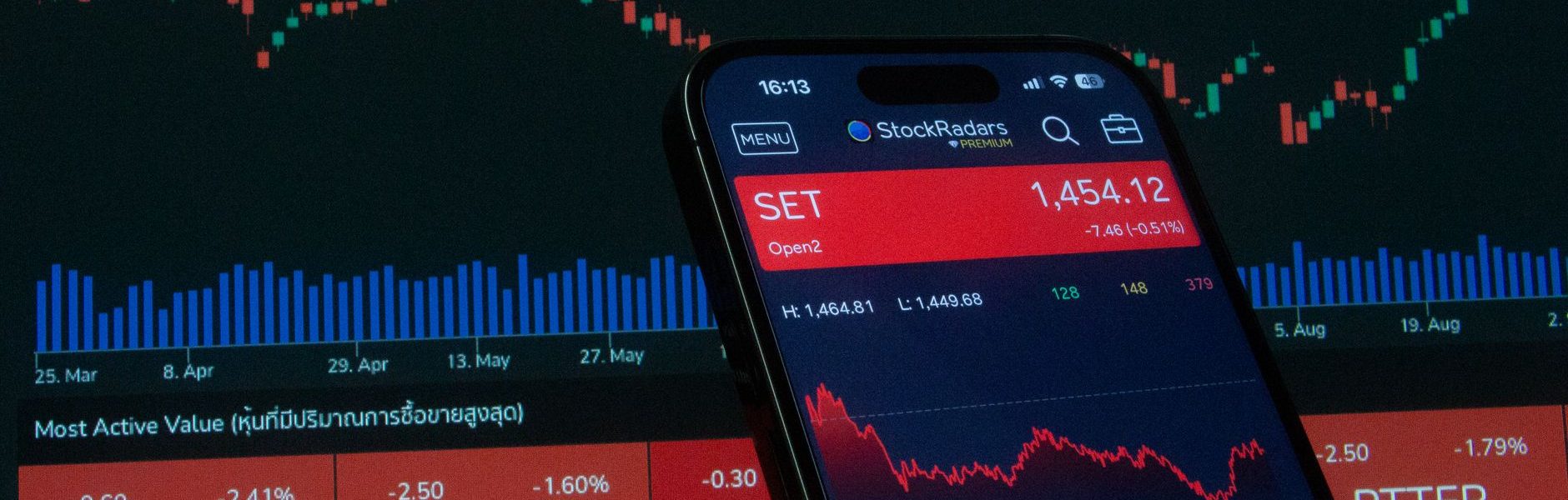

The fintech stock comparison between SOFI and HOOD shows significant differences after Q2 earnings. Investors are keen to understand which stock emerged stronger.
Q2 Earnings Overview
The second quarter of the year has brought significant developments in the fintech sector, prompting investors to closely examine the latest earnings reports from leading companies. Two prominent players, SoFi Technologies (SOFI) and Robinhood Markets (HOOD), have recently reported their quarterly earnings, sparking interest and comparisons among analysts and investors alike.
SoFi demonstrated strong growth with an impressive increase in member accounts and revenue, driven by its diverse product offerings, including personal loans and investment services. The company reported a net revenue of $460 million, marking a 30% year-over-year growth.
On the other hand, Robinhood faced challenges as it navigated regulatory hurdles and competitive pressures. The firm reported a revenue of $400 million, a decrease compared to the previous quarter, which raised concerns about its market position. Additionally, Robinhood’s user base showed signs of stagnation, complicating its path to recovery.
As investors conduct a fintech stock comparison, the contrasting performances of SOFI and HOOD highlight the importance of strategic growth and adaptation in the rapidly evolving financial technology landscape. Both companies present unique opportunities, but their differing earnings results paint a complex picture for potential investors.
SOFI’s Financial Performance
SoFi Technologies, known for its consumer finance platform, has shown a mixed financial performance in the latest quarter. The company reported a revenue increase of 30% year-over-year, reaching $265 million. However, its net loss widened to $50 million, raising concerns among investors regarding its profitability trajectory.
The performance metrics are critical when conducting a fintech stock comparison, especially as the company strives to expand its user base and offerings. SoFi’s total member count reached 5.7 million, up from 5.2 million in the previous quarter, indicating a growing interest in its services.
Operating expenses also rose, driven by increased marketing efforts and technology investments. These expenses are pivotal for SoFi as they aim to enhance their platform, but they also contribute to ongoing losses. Still, analysts remain optimistic, citing strong loan growth and increasing revenue per member as positive indicators for the future.
In addition to financial metrics, customer satisfaction remains a crucial factor. SoFi has consistently received high marks for user experience, which could play a significant role in their long-term success and stability in the competitive fintech landscape.
HOOD’s Earnings Insights
As investors analyze the latest earnings reports, HOOD (Robinhood Markets, Inc.) has attracted considerable attention in the fintech stock comparison landscape. In Q2, HOOD reported a substantial increase in its user base, reaching over 15 million funded accounts. This surge was largely driven by the company’s focus on expanding its product offerings and enhancing user engagement.
Financially, HOOD posted revenues of $486 million, marking a significant year-over-year growth of 35%. However, the firm also faced challenges, as its net loss widened to $40 million, reflecting increased operational costs and ongoing investments in its platform.
The company highlighted several key initiatives aimed at improving profitability, including:
- New product launches: HOOD introduced innovative trading features and expanded its cryptocurrency offerings.
- Cost management: The management team is focusing on streamlining operations to reduce expenses.
- User engagement strategies: Increased educational resources and customer support to retain users.
In the ongoing fintech stock comparison, HOOD’s performance against competitors like SOFI is crucial for investors seeking to identify which stock holds the greatest potential in the current market climate.
Market Reactions
In the wake of the Q2 earnings reports, market reactions to the fintech stock comparison between SOFI and HOOD have been mixed. Investors have been closely monitoring the performance of both companies, as their results provide insight into the overall health of the fintech sector.
SOFI’s stock saw a surge of 15% following the announcement of its earnings, driven by an increase in member growth and improving profitability metrics. This positive reaction has sparked interest among analysts, who are now more optimistic about SOFI’s long-term potential. Key metrics such as revenue growth and customer engagement have positioned SOFI favorably within the fintech landscape.
In contrast, HOOD experienced a decline of approximately 8% after its earnings report, as concerns over user retention and regulatory challenges weighed heavily on investor sentiment. While HOOD’s revenue figures were solid, the lack of guidance for future growth has left some investors wary.
As the market continues to digest these results, the fintech stock comparison will play a crucial role in determining the investment strategies moving forward. Analysts suggest that the next few weeks will be pivotal for both companies as they navigate the evolving landscape.
Future Predictions for Fintech Stocks
As the fintech sector continues to evolve, analysts are making predictions about the future performance of fintech stocks, particularly in light of the recent Q2 earnings reports. Investors are keenly interested in understanding which companies are likely to thrive in a competitive market.
Many experts believe that the path for fintech stocks will be shaped by several key factors:
- Regulatory Environment: Changes in regulations could impact the growth potential of various fintech companies. How well firms adapt to these changes may dictate their market success.
- Consumer Trends: The shift towards digital banking and investment platforms is expected to continue. Companies that can effectively cater to evolving consumer needs will likely see a positive impact on their stock performance.
- Technological Innovation: Firms that invest in cutting-edge technology, such as blockchain and AI, may have a competitive edge, making them attractive options in a fintech stock comparison.
- Market Competition: The rivalry among fintech companies is intensifying. Companies that can differentiate their offerings and create strong brand loyalty are expected to excel.
In summary, while Q2 has provided insights into SOFI and HOOD’s performance, the future of fintech stocks remains uncertain, driven by these dynamic factors.
In our fintech stock comparison, we analyze the performance metrics of leading companies in the sector. This fintech stock comparison reveals key insights that can guide investors in making informed decisions.
Photo by StockRadars Co., on Pexels
Read the original