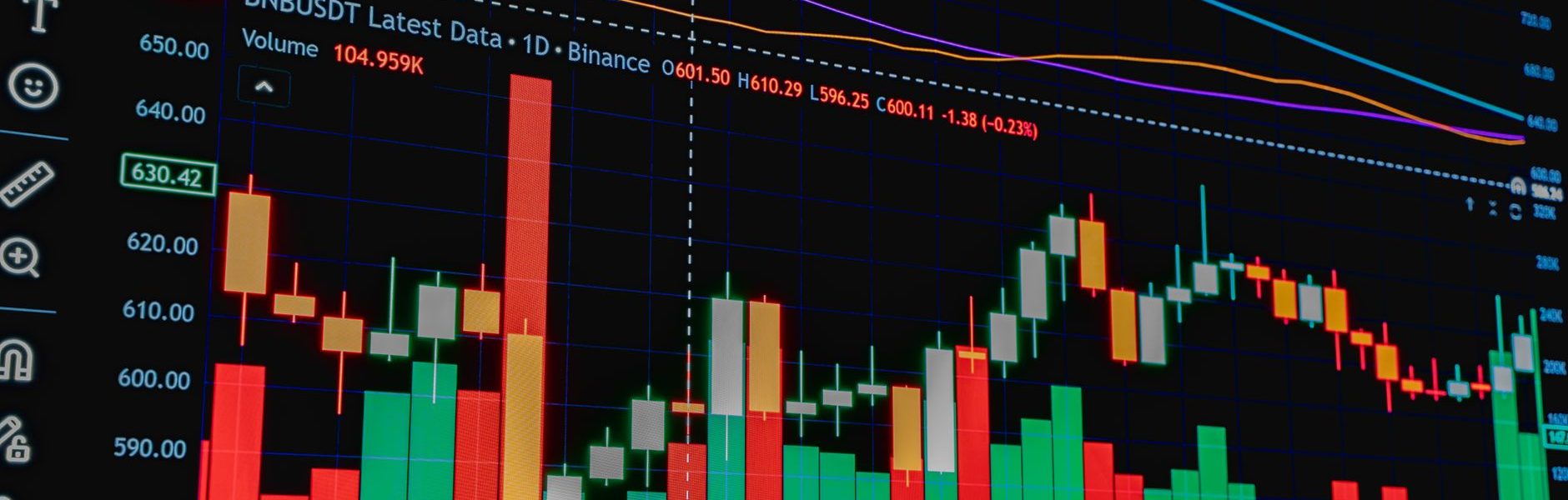

Nifty Sensex market sentiment is at the forefront of investor considerations as oil prices and RBI measures come into play. Understanding these factors is crucial for making informed decisions.
Understanding Market Sentiment
The recent fluctuations in the Nifty and Sensex have drawn considerable attention from investors keen on understanding market sentiment. Several factors have contributed to the current atmosphere, shaping the outlook for the coming weeks.
One of the primary influences is the rise in oil prices, which can have a cascading effect on inflation and overall economic growth. As oil prices increase, the cost of goods and services typically follows suit, potentially straining household budgets and reducing consumer spending.
Additionally, the Reserve Bank of India’s (RBI) monetary policy measures are playing a crucial role in shaping market sentiment. Investors are particularly focused on how the central bank will respond to inflation data, which has shown signs of volatility. Any adjustments in interest rates could significantly impact borrowing costs and investment strategies.
Furthermore, the global economic outlook is another vital aspect. Economic conditions in major markets can lead to changes in investor confidence, influencing the Nifty and Sensex. Therefore, staying informed about international economic trends is essential for making prudent investment decisions.
In summary, the current Nifty Sensex market sentiment is influenced by a mix of domestic and global factors. Investors must remain vigilant and adaptable to navigate the complexities of the market landscape.
Impact of Oil Prices on Nifty
The recent fluctuations in oil prices have a significant impact on the Nifty Sensex market sentiment, shaping investor behavior and market trends. As oil is a critical commodity that influences various sectors of the economy, its pricing directly affects inflation and corporate profitability.
When oil prices surge, the cost of production for many industries also increases, leading to a potential decline in profit margins. This, in turn, can dampen investor sentiment as expectations for corporate earnings may be revised downward. Conversely, a drop in oil prices often results in reduced operational costs for companies, fostering a more optimistic outlook among investors.
Several factors drive oil price changes, including:
- Global Supply and Demand: Fluctuations in demand from major economies can sway prices significantly.
- Geopolitical Tensions: Events such as conflicts or trade disputes in oil-producing regions can create uncertainties, influencing market sentiment.
- OPEC Decisions: Production cuts or increases by the Organization of the Petroleum Exporting Countries can lead to immediate effects on oil prices.
As investors monitor these dynamics, their reactions can lead to increased volatility in the Nifty and Sensex indices, highlighting the intricate relationship between oil prices and overall market sentiment.
RBI Measures and Their Significance
The recent measures taken by the Reserve Bank of India (RBI) have sparked significant discussions among investors regarding the Nifty and Sensex market sentiment. These actions aim to stabilize the economy and instill confidence in the financial markets, which are crucial for maintaining a healthy investment environment.
One of the primary measures introduced by the RBI includes adjusting interest rates, which directly impacts borrowing costs for businesses and consumers. This move can lead to increased spending and investment, potentially boosting market sentiment. The RBI’s focus on inflation control is also noteworthy, as it seeks to manage price stability while fostering economic growth.
In addition to interest rates, the RBI has implemented measures to enhance liquidity in the financial system. This includes:
- Open Market Operations: Purchasing government securities to inject funds into the market.
- Liquidity Adjustment Facility: Allowing banks to borrow funds to ensure adequate liquidity.
- Regulatory Forbearance: Providing temporary relief to financial institutions during economic downturns.
These strategies are expected to create a conducive environment for the Nifty and Sensex to react positively, as investor confidence is bolstered by the RBI’s proactive stance. As we continue to monitor the economic landscape, these developments will play a pivotal role in shaping the overall market sentiment.
Analyzing Recent Inflation Data
Recent inflation data has become a pivotal factor influencing the Nifty and Sensex market sentiment. As investors sift through the numbers, the implications of rising or falling inflation can significantly affect stock valuations and investor confidence.
According to the latest reports, inflation rates have shown a mixed trend, which has left many analysts perplexed. Here are some key aspects to consider:
- Core Inflation: The core inflation rate, which excludes volatile items like food and energy, has remained relatively stable. This suggests that underlying price pressures may not be as severe as some feared.
- Food Prices: Fluctuations in food prices have been notable, directly impacting consumer spending. This could lead to a change in economic growth projections.
- Future Projections: Economists are divided on whether inflation will continue to rise or start to decline, creating uncertainty in the Nifty Sensex market sentiment.
As we move forward, the market will be watching closely for any signals from the Reserve Bank of India regarding potential interest rate adjustments. Investors must stay informed and prepared for any shifts in sentiment as these factors continue to unfold.
The Nifty Sensex market sentiment has shown a positive trend, indicating potential growth opportunities for investors. Understanding the Nifty Sensex market sentiment can help in making informed decisions in the current economic landscape.
Photo by Rafael Minguet Delgado on Pexels
Where this came from
India inflation September 2023: What is the real impact? · Teekay Tankers stock hits 52-week high: A Proven Opportunity · India MEG Crude Imports: Proven Surge Boosts Market Confidence