
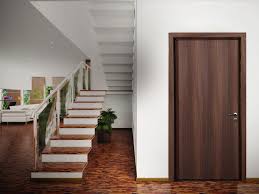

Door frames are a fundamental element of any architectural space, serving as the structural backbone that supports doors while defining the aesthetics of an interior or exterior entrance. A well-designed door frame not only ensures the security and functionality of a door but also enhances the overall visual appeal of a room or building. Striking the right balance between durability and design is crucial, making door frame an essential consideration in both residential and commercial spaces.
The durability of a door frame is primarily determined by the material used in its construction. Hardwood frames, such as oak, teak, or mahogany, are highly valued for their strength and longevity. These materials resist warping and provide a solid foundation for heavy doors, making them ideal for high-traffic areas. On the other hand, engineered wood and MDF options offer cost-effective alternatives without compromising on sturdiness, while metal frames, particularly those made from steel or aluminum, provide superior strength and resistance to environmental factors such as moisture and temperature fluctuations. Selecting the right material ensures that the door frame can withstand years of use while maintaining its integrity.
Beyond functionality, the design of a door frame plays a significant role in shaping the character of a space. Modern architectural trends emphasize clean lines and minimalist profiles, while traditional designs often feature intricate moldings and decorative accents. Customizable finishes, colors, and textures allow homeowners and designers to create frames that complement interior themes, from contemporary urban apartments to classic heritage homes. By paying attention to these design elements, door frames can transition from being purely structural components to becoming prominent stylistic features that enhance a space’s overall aesthetic.
Installation and precision are equally important in achieving a harmonious blend of durability and design. A well-fitted door frame prevents issues such as gaps, misalignment, or uneven wear, all of which can affect the performance and longevity of the door. Skilled craftsmanship ensures that frames are properly anchored, leveled, and finished, providing both stability and visual appeal. Additionally, attention to detail in joinery and finishes can elevate the frame’s appearance, making it a subtle yet impactful design element.
In today’s design-conscious world, door frames are more than just functional necessities. They act as transitional elements that connect spaces while reflecting the architectural vision of a home or commercial building. Combining high-quality materials, thoughtful design, and expert installation creates frames that are resilient, aesthetically pleasing, and perfectly suited to their surroundings.
Ultimately, investing in well-crafted door frames ensures a balance between performance and beauty. By carefully considering materials, design, and construction, spaces can achieve a seamless integration of durability and elegance, transforming ordinary entrances into refined statements of style.
