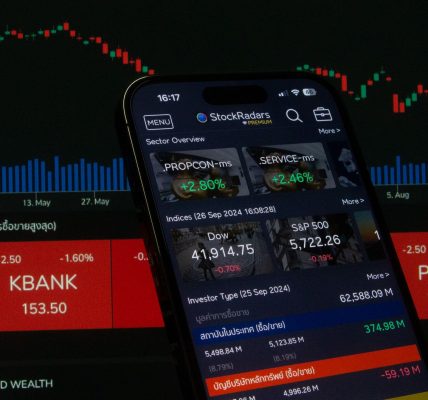

Sensex market drop has been a major talking point today as the index shed 1,248 points in a broad-based selloff. Investors are concerned about the implications of this decline.
Understanding the Sensex Market Drop
The recent Sensex market drop has left investors and analysts alike grappling with the reasons behind this significant decline. On a day marked by volatility, the Sensex shed a staggering 1,248 points, leading to widespread concerns across the financial landscape.
Several factors have converged to trigger this downturn:
- Global Economic Slowdown: Rising fears of a recession in major economies have influenced investor sentiment.
- Inflation Rates: Persistent inflation has led to tighter monetary policies, impacting market confidence.
- Geopolitical Tensions: Ongoing conflicts and uncertainties have further exacerbated market instability.
- Corporate Earnings Disappointment: Recent quarterly results have not met market expectations, leading to a selloff.
As the Nifty slipped below 23,100, analysts are urging caution and advising investors to reassess their portfolios in light of these developments. Understanding the dynamics of the Sensex market drop is crucial for making informed investment decisions in the current environment.
Key Factors Behind the Decline
The recent Sensex market drop has raised concerns among investors and analysts alike. Several key factors have contributed to this significant decline.
- Global Economic Concerns: Investors are worried about slowing economic growth in major economies, particularly in the United States and Europe. This uncertainty has led to a pullback in investments.
- Inflation Rates: Rising inflation rates have prompted fears of aggressive monetary tightening by central banks, which could dampen market sentiment further.
- Geopolitical Tensions: Ongoing geopolitical issues, including trade disputes and conflicts, have added to market volatility, prompting investors to reassess their portfolios.
- Profit Booking: After a prolonged period of gains, many investors are opting to book profits, leading to increased selling pressure in the market.
- Sector-Specific Weakness: Certain sectors, particularly technology and finance, have faced significant headwinds, contributing to the broader market decline.
As these factors unfold, investors are encouraged to remain vigilant and informed about potential market shifts.
Impact on Nifty and Other Indices
The recent Sensex market drop has not only affected the flagship index but has also had a ripple effect on other indices. The Nifty 50, which is another key indicator of market performance, experienced a significant decline, slipping below the crucial 23,100 mark. This broad-based selloff has raised concerns among investors and analysts alike.
In this turbulent trading session, several sectors faced substantial losses, leading to a wave of uncertainty. Key contributors to the decline included:
- Banking stocks, which saw a considerable selloff as investor sentiment turned negative.
- IT sectors, which are sensitive to global market trends, also experienced sharp declines.
- Consumer goods companies were not spared, reflecting a downturn in domestic consumption.
Additionally, volatility in global markets, driven by geopolitical tensions and economic data releases, further compounded the situation. Analysts suggest that these combined factors have created a challenging environment for investors, prompting many to reassess their positions in the wake of the Sensex market drop.
Investor Reactions to Market Changes
As news of the significant Sensex market drop spread, investor reactions varied widely, reflecting a mixture of concern and cautious optimism. Many investors expressed frustration over the abrupt decline, citing a lack of clear communication from market analysts regarding the triggers behind the selloff.
Some investors took to social media platforms to voice their opinions, with a predominant sentiment being one of disappointment. Many believe that the steep drop in the Sensex, which saw a decrease of 1,248 points, signals a potential downturn in the broader market. Others, however, view this as a temporary setback, urging fellow investors to remain calm and consider long-term investment strategies.
In light of the market’s volatility, several financial advisors recommend diversifying portfolios to mitigate risks. They suggest that investors should stay informed about economic indicators and be prepared for fluctuating market conditions. “This could be an opportunity for those looking to invest at lower prices,” said one advisor, highlighting the potential for future gains despite the current turmoil.
As the situation evolves, market watchers will be keen to see how investor sentiment shifts in the coming days.
Historical Context of Market Drops
The recent Sensex market drop is not an isolated incident; it is part of a broader trend observed over several decades. Major market declines often stem from a combination of economic factors, political instability, or global events that shake investor confidence.
In the past, significant drops in the Sensex have followed similar patterns. Some notable instances include:
- 2008 Financial Crisis: The Sensex plummeted by over 1,400 points in a single day, reflecting global panic and economic uncertainty.
- COVID-19 Pandemic: In March 2020, the index saw a drastic fall as lockdowns were announced worldwide, leading to severe economic disruptions.
- 1992 Harshad Mehta Scam: A major scandal led to a swift decline, eroding investor trust and resulting in significant financial losses.
These historical contexts highlight how the Sensex market drop can be influenced by both domestic and international events, reminding investors of the volatile nature of financial markets.
Predictions for Future Market Trends
As analysts assess the recent Sensex market drop, many are contemplating future trends and potential recovery pathways. Experts suggest that the volatile nature of the current economic climate, influenced by global events and domestic policies, could lead to further fluctuations.
Several predictions are emerging, including:
- Short-term Volatility: Many believe that the market may continue to experience short-term volatility as investors react to economic indicators and geopolitical tensions.
- Gradual Recovery: Some analysts predict a gradual recovery, particularly if there are positive signals from key sectors such as technology and finance.
- Increased Investor Caution: A shift towards cautious investing may become prevalent, with investors likely focusing on blue-chip stocks that show resilience in uncertain times.
- Policy Impacts: Future government policies aimed at economic stabilization could play a crucial role in shaping market recovery.
In summary, while the Sensex market drop has raised concerns among investors, expert insights suggest a mixed outlook, highlighting the importance of staying informed and adaptable.
Expert Opinions on the Current Situation
Experts in the financial sector have expressed their concerns regarding the recent Sensex market drop, citing multiple contributing factors. According to Dr. Anjali Mehta, a leading market analyst, the decline is primarily driven by a combination of global economic uncertainties and domestic policy changes. She stated, “Investors are currently reacting to geopolitical tensions that are causing volatility in markets worldwide.”
Additionally, Rajesh Kumar, a senior economist, pointed out that inflationary pressures and rising interest rates have also played a significant role. “As the cost of borrowing increases, consumer spending tends to decline, which can adversely affect market performance,” he explained.
Moreover, financial strategist Priya Singh emphasized the importance of investor sentiment. “A broad-based selloff reflects a lack of confidence among investors, leading to panic selling,” she noted. Experts suggest that the market may take time to recover, urging investors to remain cautious and consider long-term strategies rather than reacting impulsively to short-term fluctuations.
Overall, the expert consensus is that while the current situation is concerning, it is essential to analyze the underlying factors to navigate the turbulent market landscape effectively.
How to Navigate Market Volatility
In times of turmoil, such as the recent Sensex market drop, investors often seek guidance on how to navigate the choppy waters of market volatility. Understanding effective strategies can help mitigate risks and position portfolios for recovery.
Here are some practical approaches to consider:
- Diversification: Spread investments across different asset classes to reduce exposure to a single market movement.
- Stay Informed: Keep abreast of market trends and economic indicators that can affect investment performance.
- Long-term Perspective: Focus on long-term goals rather than reacting impulsively to short-term fluctuations.
- Consult with Professionals: Seek advice from financial advisors to tailor strategies that align with individual risk tolerance and investment goals.
- Rebalance Regularly: Periodically review and adjust your portfolio to maintain your desired asset allocation.
By employing these tactics, investors can better navigate the uncertainty that accompanies significant declines like the recent Sensex market drop, ultimately enhancing resilience in their investment strategies.
Photo by Monstera Production on Pexels
References