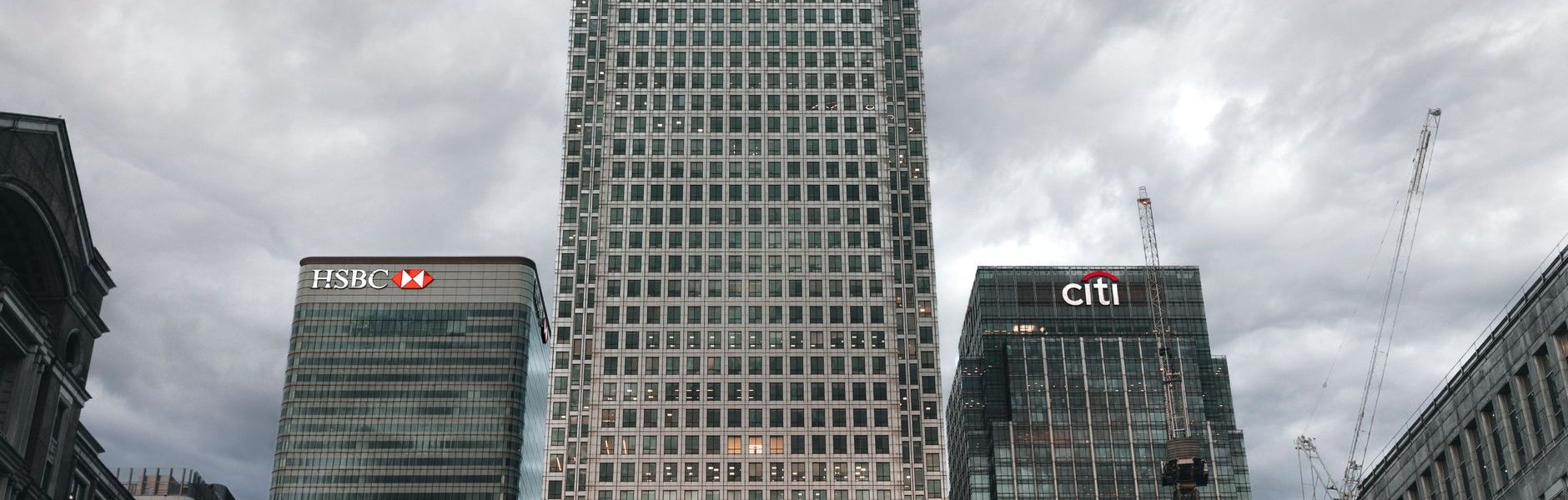

UK inflation rise has reached 3.1% in August, raising concerns about its impact on economic policies and the Bank of England’s interest rates.
Understanding UK Inflation Trends
The recent rise in UK inflation has sparked widespread concern among economists and consumers alike. As inflation reached 3.1% in August, it marked a significant increase that has implications for various sectors of the economy.
This rise in inflation is primarily driven by several factors:
- Supply Chain Disruptions: Ongoing challenges in global supply chains have led to increased costs for goods and services.
- Energy Prices: A surge in energy prices has contributed to the overall inflation rates, affecting households and businesses.
- Consumer Demand: As the economy rebounds from the pandemic, heightened consumer demand has outpaced supply, further driving prices up.
The Bank of England (BoE) is currently facing a challenging decision on interest rates. With the rise in UK inflation, the BoE is under pressure to respond, but experts suggest that a rate hike may not occur immediately. This delicate balance aims to stabilize the economy while managing inflationary pressures.
Ultimately, understanding these trends is crucial as they impact everything from borrowing costs to purchasing power for consumers across the UK.
How the Bank of England Responds
The recent increase in UK inflation rise to 3.1% in August has prompted significant concern among economists and policymakers. In response, the Bank of England is closely monitoring the situation to determine the best course of action.
One of the main strategies the Bank has considered is adjusting interest rates. A rise in bank rates could help to curb inflation by making borrowing more expensive and encouraging savings. However, this also poses risks to economic growth, particularly for households and businesses already grappling with rising costs.
The Bank of England is weighing several factors in its decision-making process:
- Current economic growth: Assessing whether the economy can withstand higher rates without stalling.
- Employment levels: Monitoring job market stability to avoid significant unemployment spikes.
- Consumer spending: Evaluating how rising inflation affects consumer confidence and spending habits.
As the Bank navigates these challenges, it remains committed to its primary goal of maintaining price stability while supporting the economy through this turbulent period.
Impact on Consumer Prices
The recent rise in UK inflation to 3.1% in August has significant implications for consumer prices across various sectors. As inflation increases, the cost of living inevitably rises, impacting household budgets and purchasing power.
Key areas affected by the inflation rise include:
- Food Prices: Many families are already feeling the pinch as grocery bills continue to climb. The price of essential items such as bread, dairy, and fresh produce have surged, leading to higher overall spending.
- Energy Costs: With energy prices soaring, consumers are facing increased bills for electricity and gas, particularly as winter approaches. This adds further strain on household finances.
- Transportation: Fuel prices have also risen sharply, making travel more expensive. Public transport fares are expected to follow suit, impacting daily commuters.
As the Bank of England grapples with the ramifications of the inflation rise, consumers are left to navigate a challenging economic landscape. With interest rates likely to remain unchanged for the time being, many are anxious about how long these price increases will persist.
Historical Context of Inflation
The historical context of inflation in the UK provides valuable insights into the current challenges posed by rising rates. Over the past few decades, the UK has experienced significant fluctuations in inflation, influenced by various economic factors.
In the early 1990s, inflation soared to levels above 10%, prompting the Bank of England to take drastic measures to stabilize the economy. In contrast, the years following the 2008 financial crisis saw inflation rates drop to historic lows, at times nearing zero. This fluctuation has often led to varying responses from the Bank of England, impacting monetary policy and interest rates.
As of August 2023, the UK inflation rise reached 3.1%, causing concerns about its implications for bank rates. Historically, such increases have led to tighter monetary policies, with the Bank of England adjusting rates to curb inflation. The interplay between inflation and bank rates remains a critical factor in managing economic stability.
Moreover, understanding past inflation trends helps to predict potential future scenarios, underscoring the importance of monitoring economic indicators closely.
Future Projections for UK Economy
The recent UK inflation rise to 3.1% in August has prompted economists to reassess future projections for the UK economy. As inflation continues to escalate, several key factors are likely to shape the economic landscape in the coming months.
Analysts predict that the Bank of England may adopt a more cautious stance in its monetary policy, potentially impacting interest rates. The following are several anticipated trends:
- Increased Borrowing Costs: As inflation persists, borrowing costs may rise, leading to higher interest rates. This could affect mortgages, personal loans, and business financing.
- Consumer Spending Slowdown: Higher prices may lead consumers to cut back on discretionary spending, impacting retail and service sectors significantly.
- Wage Growth Pressure: Workers may demand higher wages to keep up with inflation, which could further contribute to inflationary pressures if businesses increase prices to cover wage hikes.
Overall, the future of the UK economy remains uncertain, with the UK inflation rise serving as a pivotal factor for both the Bank of England’s decisions and consumer behaviors.
Expert Opinions on Interest Rates
Experts are closely monitoring the recent increase in UK inflation, which has risen to 3.1% in August. This surge is likely to have significant implications for interest rates, as indicated by analysts responding to the latest data.
Many economists believe that the Bank of England will maintain its current rates for the time being, but the pressure to adjust is mounting. According to Dr. Emily Carter, an economist at the London School of Economics, “The rise in inflation could prompt the Bank to reconsider its stance sooner than anticipated. A shift in rates may be necessary to prevent overheating in the economy.”
Additionally, Mr. John Smith, a financial analyst, emphasizes that “If inflation continues to climb, we may see a more aggressive response from the Bank of England, which could impact borrowing costs for consumers and businesses alike.”
In light of these developments, experts suggest that individuals and businesses should prepare for potential changes in the financial landscape. As inflation rises, its effects on bank rates will be closely scrutinized in the coming months.
The UK inflation rise has prompted banks to reconsider their lending strategies. As a result, borrowers may face higher interest rates due to the ongoing UK inflation rise.
Photo by Andrea De Santis on Pexels
Where this came from